Finding Balance: How to Manage a Cybersecurity Career and Personal Life
| 10 min read

Introduction
The cybersecurity field is fast-paced, demanding, and ever-evolving. While it offers exciting challenges and opportunities, the constant pressure to stay ahead of threats can lead to burnout if not managed properly. Striking a balance between your cybersecurity career and personal life is crucial for long-term success and well-being. Here’s how you can maintain that balance:
1. Set Clear Boundaries

In cybersecurity, the line between work and personal time can easily blur due to on-call responsibilities and urgent incidents. Setting clear boundaries between work hours and personal time is essential. Create a work schedule that allows for downtime and ensures you're not always on alert. Communicate these boundaries with your team or clients to manage expectations.
2. Prioritize Tasks

Cybersecurity often involves handling multiple priorities, from responding to threats to keeping up with training. To avoid overwhelm, prioritize tasks based on urgency and importance. Use tools like to-do lists or task management software to organize your day. Focusing on high-priority tasks first helps you feel more in control and reduces stress.
3. Take Time to Unplug

Cybersecurity professionals are typically hyper-connected, staying up-to-date with threats and trends. However, constant connectivity can lead to burnout. Schedule regular breaks where you completely unplug from technology, even for short periods. Whether it’s a weekend getaway or simply spending an hour outdoors, stepping away from screens can help you recharge.
4. Embrace Flexibility

Cybersecurity careers often come with flexible work arrangements, such as remote work or variable hours. Take advantage of this flexibility to create a work-life balance that suits your needs. Adjust your work schedule to accommodate family time, hobbies, or exercise. The ability to work from anywhere allows you to balance personal commitments with your career demands.
5. Develop Stress-Relief Habits
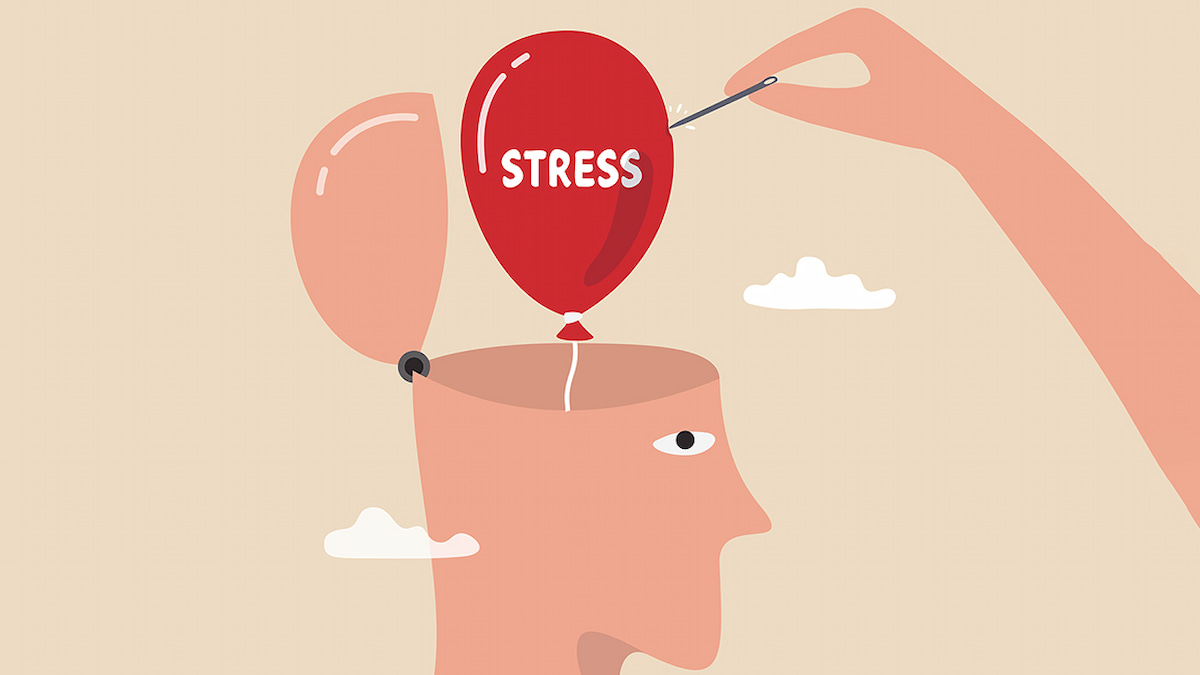
The high-stakes nature of cybersecurity can lead to significant stress. Developing healthy habits to manage stress is critical. Regular exercise, mindfulness meditation, and hobbies outside of work can provide mental relief. Engaging in activities that are completely unrelated to cybersecurity helps shift focus and allows your mind to rest.
6. Seek Support and Mentorship

Balancing a demanding career with personal life is easier when you have a support system. Connect with peers or mentors who can offer guidance on managing workload and stress. A mentor in the cybersecurity industry can share their experiences in finding balance and provide tips on navigating the pressures of the job. Building relationships with others who understand your challenges can also foster emotional support.
Conclusion
Balancing a cybersecurity career with personal life can be challenging, but it’s entirely possible with intentional effort. By setting boundaries, prioritizing tasks, taking time to unplug, and developing stress-relief habits, you can enjoy a successful career without sacrificing your personal well-being. A balanced life ultimately leads to greater productivity, creativity, and satisfaction in both your professional and personal endeavors.